
Germany Student Visa Success Shanmukh Secures Visa for Masters at TH Deggendorf

Congratulations to Shanmukh on securing his Germany Study Visa and taking a major step towards his international education dream. His journey to pursue a Master’s in Mechatronic and Cyber-Physical Systems at Technische Hochschule Deggendorf, also known as Deggendorf Institute of Technology, is a proud moment for him, his family, and the team at Think BIG Global.
A student visa is more than a stamped document. It is the result of careful planning, the right university choice, strong documentation, financial preparation, and steady guidance at every stage. Shanmukh’s achievement shows what is possible when a student’s academic goals match a clear study abroad plan.

Shanmukh’s Germany visa success story
Shanmukh’s study abroad journey began with a clear interest in engineering, automation, intelligent systems, and future-ready technology. Germany stood out as a strong destination because of its focus on applied engineering education, research-based learning, and industry-connected programmes.
His successful visa outcome is a meaningful Germany Student Visa Success Story for students who are planning to study in Europe. It reflects the importance of starting early, choosing the right programme, preparing documents carefully, and presenting a clear academic and career plan.
For Shanmukh, the journey followed a structured path:
Profile Assessment → University Shortlisting → Application → Admission → Financial Preparation → Visa Documentation → Germany Student Visa → Travel to Germany
Each step mattered. A strong academic profile alone is not enough. Students also need to show why a particular course fits their background, how they plan to fund their studies, and how their chosen programme supports their long-term goals.
Think BIG Global supported the process with personalised guidance, from course selection to visa documentation. That approach helped Shanmukh move ahead with confidence and complete one of the most important milestones in his study abroad journey.
Shanmukh will pursue a Master’s in Mechatronic and Cyber-Physical Systems
Shanmukh’s chosen programme, Master’s in Mechatronic and Cyber-Physical Systems, sits at the intersection of mechanical engineering, electronics, software, automation, sensors, control systems, and intelligent machines.
This field is highly relevant in areas such as:
Robotics and automation
Smart manufacturing
Embedded systems
Automotive technologies
Industrial Internet of Things
Intelligent machines
Sensor-based control systems
Human-machine interaction
Mechatronics is no longer limited to traditional machinery. Modern machines now combine hardware, software, data, and connectivity. Cyber-physical systems take this further by linking physical processes with digital intelligence.
For students with the right engineering background, this type of programme can open doors to advanced technical roles in research, manufacturing, automotive systems, automation, product development, and industrial technology.
Germany is a natural fit for such a course because the country has a strong engineering base and a long history of technical education. Students gain exposure to practical learning models and problem-solving methods that are valued by many employers.
An introduction to Technische Hochschule Deggendorf
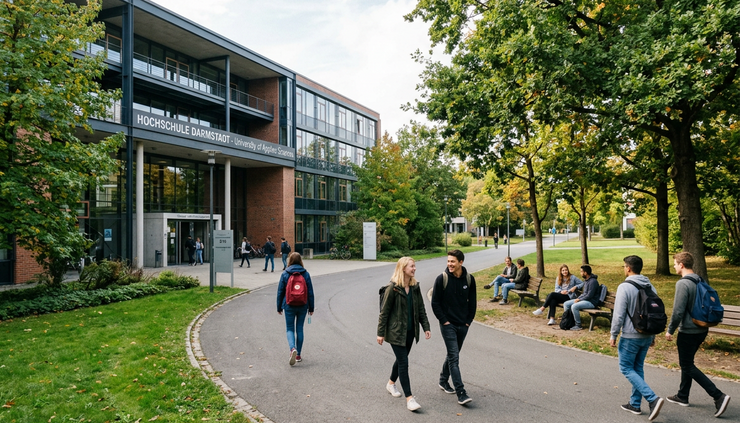
Technische Hochschule Deggendorf, widely known in English as Deggendorf Institute of Technology, is a public university of applied sciences in Bavaria, Germany. It is known for practice-oriented education in areas such as engineering, computer science, applied sciences, business, and technology-focused disciplines.
Universities of applied sciences in Germany are popular among international students because they often place strong emphasis on practical training, technical projects, applied research, and links with industry. This makes them especially suitable for students who want academic knowledge along with hands-on exposure.
TH Deggendorf attracts students from different countries and offers a learning environment where technical skills, project work, and real-world problem solving are part of the academic experience. For a programme like Mechatronic and Cyber-Physical Systems, that practical focus can add strong value.
Studying in Deggendorf also gives students access to life in Bavaria, one of Germany’s important regions for technology, manufacturing, automotive industries, and engineering companies. While every student’s career path is different, studying in such an ecosystem can help international students understand the expectations of the German job market.
Why international students choose Germany for engineering and technology
Germany has become one of the preferred destinations for students who want to pursue engineering, technology, applied sciences, computer science, and research-led programmes. Indian students especially look at Germany because it offers a strong mix of academic quality, practical education, and post-study career possibilities.
Here are some of the main reasons students choose Germany.
Strong public higher education system
Germany has a respected public higher education system that includes universities, technical universities, and universities of applied sciences. Many public universities may charge little or no tuition for certain programmes, especially compared with several other popular study destinations.
That said, students should understand the full cost clearly. Germany should not be seen as automatically “free” for every student, university, or programme.
Students may still need to plan for:
Semester contributions
Living expenses
Health insurance
Accommodation
Food and transport
Study materials
Visa-related costs
Travel expenses
Blocked account requirements, where applicable
Some programmes, especially certain English-taught or specialised courses, may have tuition fees. Costs can also vary by federal state, university, and course type. A careful financial plan is essential before applying.
Practice-oriented technical learning
Many German institutions focus on applied learning. Students often work on lab-based projects, industry-linked assignments, simulations, research tasks, and practical case work.
This approach is useful for engineering and technology students because it builds both technical understanding and problem-solving ability.
Global value of a German qualification
A German degree can carry strong value, especially in technical fields. Employers in many countries recognise Germany’s reputation for engineering, manufacturing, automotive systems, automation, and applied sciences.
For Indian students, a German qualification can support career plans in Germany, Europe, India, or other global markets, depending on skills, experience, language ability, and job opportunities.
Opportunities to build German language skills
Many international programmes are offered in English, but learning German can improve daily life, internships, part-time work options, and employability after graduation.
Even basic German skills can help students settle better. Higher language ability may expand career options, especially in roles that involve local teams, clients, production units, or fieldwork.
The general Germany student visa process
The Germany Student Visa for Indian Students requires careful preparation. While requirements can change based on embassy guidelines, course type, and student profile, most applicants need to follow a clear process.
The general route looks like this:
Confirm admission
Students need an admission letter from a recognised German university or institution. The course, intake, and programme details must be clear.
Prepare financial proof
Students usually need to show that they can manage living expenses in Germany. This may include a blocked account or other accepted financial proof, depending on current visa rules.
Arrange academic documents
Mark sheets, degree certificates, transcripts, test scores, language proof, and other academic records must be prepared in the required format.
Create a strong visa file
The visa file usually includes admission documents, passport, financial proof, academic documents, health insurance details, photographs, forms, SOP or motivation letter where required, and other supporting documents.
Book and attend the visa appointment
Students must attend the appointment with complete and accurate documents. Missing or unclear documents can delay the process.
Prepare for visa questions
Students should be ready to explain why they chose Germany, why they selected the university and course, how the programme fits their background, and how they plan to fund their education.
Wait for the visa decision
Processing timelines can vary. Students should avoid last-minute preparation and keep enough time before the programme start date.
A successful visa application depends on consistency. The course choice, academic history, financial proof, and future plans should all support the same story.
How Think BIG Global supported Shanmukh’s journey
Think BIG Global works with students who want to study abroad and need clear, step-by-step support. For Germany aspirants, the process can feel detailed because of university requirements, document formats, financial planning, and visa procedures.
For Shanmukh, Think BIG Global helped bring the process together with structured guidance.
The support can include:
Profile assessment
Understanding academic background, technical interests, scores, work experience, projects, and career goals.
German university shortlisting
Matching the student’s profile with suitable public or private institutions, course requirements, language criteria, and intake options.
Application support
Helping students prepare and submit university applications with the correct documents and timelines.
SOP and documentation guidance
Supporting motivation letters, SOPs, CVs, academic records, and other required documents.
Education loan assistance
Guiding students on financial planning and loan-related documentation where needed.
Visa filing support
Helping students arrange visa documents in a clear and complete manner.
Interview preparation
Preparing students to answer questions about course selection, university choice, finances, and career goals.
Pre-departure guidance
Helping students understand travel planning, accommodation basics, packing, insurance, student life, and arrival steps.
Good guidance reduces confusion. It also helps students avoid common mistakes such as applying to unsuitable courses, missing deadlines, underestimating financial requirements, or submitting unclear visa documents.
Opportunities for international graduates in Germany
Germany offers international graduates several pathways to build careers after completing their studies, subject to current immigration rules and individual eligibility. Students who graduate from German institutions may be able to explore post-study residence options to search for suitable employment.
Engineering and technology graduates often look at roles in areas such as:
Automation engineering
Embedded systems
Robotics
Automotive systems
Manufacturing technology
Product development
Software and hardware integration
Industrial control systems
Research and development
Technical consulting
Career outcomes depend on skills, academic performance, internships, projects, German language ability, job market conditions, and how early the student starts preparing.
Students who plan well during their Master’s can improve their chances. Building a strong CV, gaining project experience, learning German, networking with peers, attending career events, and applying early can all make a difference.

FAQs about studying in Germany
Is studying in Germany free for international students?
Many public universities in Germany may charge little or no tuition for certain programmes, but this is not guaranteed for every university or course. Students should also budget for semester contributions, living costs, health insurance, accommodation, travel, and personal expenses.
What is a blocked account for Germany?
A blocked account is a financial proof used by many international students to show they have funds to manage living expenses in Germany. The required amount can change, so students should always check the latest official guidelines before applying.
Can Indian students study engineering in Germany in English?
Yes, many German universities offer selected Master’s programmes in English, especially in engineering, technology, computer science, and applied sciences. Students must still check each programme’s language and admission requirements.
Is German language required for studying in Germany?
For English-taught programmes, German may not be required for admission in every case. Still, learning German is highly useful for daily life, internships, part-time work, and job opportunities after graduation.
How early should students start the Germany study abroad process?
Students should start as early as possible because university deadlines, document preparation, financial proof, visa appointments, and travel planning can take time. Early planning gives more room to choose the right course and avoid last-minute stress.
Shanmukh’s success is a strong reminder to plan early
Shanmukh’s Germany visa success is a proud achievement and a valuable example for students with similar goals. His journey shows that studying in Germany requires more than interest in a course. It needs preparation, accurate documentation, financial clarity, and the right guidance.
For students aiming for Germany, the best starting point is a clear profile review. Once the academic background and goals are understood, the rest of the process becomes easier to plan.
Congratulations, Shanmukh! 🎉 Wishing you success in your Master’s journey in Germany. Planning to study in Germany? Start your journey with Think BIG Global.
📞 98487 34714 | 99515 62888
🌐 thinkbigglobal.in
📍 Visakhapatnam



Comments